Caso di successo JTI

Scopri di più sui seguenti prodotti beqom
 Equità e trasparenza retributiva
All'avanguardia: come JTI ha reso a prova di futuro la propria strategia globale di equità salariale in vista della Direttiva UE sulla trasparenza retributiva
JTI ha fondato la sua filosofia globale di reward sull'equità. Presente in oltre 130 Paesi e con più di 40.000 dipendenti, l'azienda rispetta un principio fondamentale: le persone che svolgono un lavoro di pari valore devono ricevere una pari retribuzione, indipendentemente dal loro background o dalla loro identità. Quando è entrata in vigore la Direttiva UE sulla trasparenza retributiva, JTI non si è trovata impreparata. Ha però riconosciuto che la metodologia esistente in materia di equità retributiva doveva essere modificata per rispettare pienamente la nuova direttiva.
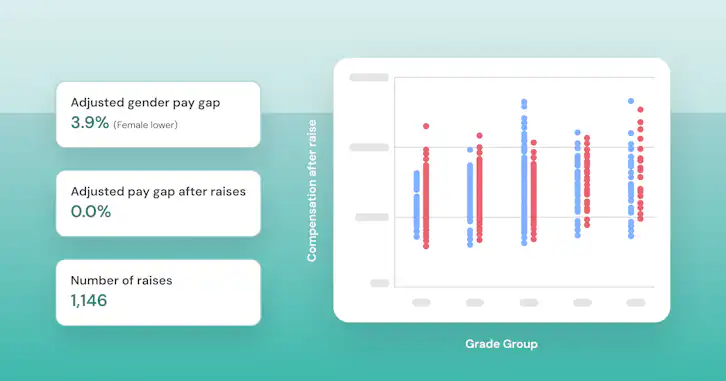
Grazie a PayAnalytics di beqom, JTI ha migliorato i processi in essere introducendo l'automazione e il monitoraggio dei gap in tempo reale. Questo non solo rafforza il processo decisionale nel momento stesso in cui ne sorge la necessità, ma, cosa ancora più importante, offre una visibilità più chiara sui requisiti di budget e una pianificazione più efficace delle azioni correttive.
Fatturato annuo ($)
Dipendenti
Paesi
Soglia del divario retributivo raggiunta
Sfida
I limiti di una metodologia manuale
JTI pone da tempo la correttezza e l'equità al centro della propria filosofia retributiva. Presente in oltre 130 Paesi, l'azienda opera in base a cinque principi cardine: retribuzione competitiva, riconoscimento delle performance, flessibilità e scelta, trasparenza, correttezza ed equità. Indipendentemente dal background o dall'identità, i dipendenti che offrono un valore analogo devono essere remunerati nello stesso modo.
Per supportare questo obiettivo, JTI aveva adottato una metodologia strutturata di equità retributiva. Il team Rewards centrale calcolava i divari retributivi e condivideva i risultati con i responsabili People & Culture locali, che fornivano il contesto e richiedevano il budget per colmare le discrepanze individuate. Per anni, questo processo si è basato sulla metodologia EY Pay Equity, introdotta nel 2013 e ancorata a una soglia del 5%, uno standard che JTI aveva già definito in anticipo rispetto a quanto la legislazione avrebbe richiesto in seguito.
Tuttavia, con l'entrata in vigore della Direttiva UE sulla trasparenza retributiva, JTI ha riconosciuto i limiti del proprio approccio. Non consentiva infatti di analizzare l'equità retributiva per categoria di lavoratori, un requisito fondamentale della Direttiva, limitando la capacità dell'azienda di individuare e colmare i divari al livello di granularità richiesto. Inoltre, era privo di alcune funzionalità: in particolare l'integrazione di molteplici fattori oggettivi, la modellazione dell'impatto su più scenari e un quadro strutturato per la pianificazione dei budget e delle azioni correttive.
Soluzione
Uno strumento progettato per soddisfare i requisiti della Direttiva
JTI ha esteso l'utilizzo di PayAnalytics di beqom, utilizzando funzionalità avanzate che uniscono la tecnologia a una profonda competenza in materia di equità salariale per affrontare sfide sempre più complesse. Questo ha consentito di ottenere quattro risultati che il sistema precedente non era in grado di offrire.
- Evidenziare i divari retributivi in tempo reale non appena i dati vengono caricati.
- Analizzare l'equità retributiva per categoria di lavoratori, soddisfacendo gli specifici requisiti di rendicontazione della Direttiva.
- Generare proposte di aumento a livello individuale, rendendo l'azione correttiva immediata e guidata anziché manuale e approssimativa.
- Fornire report che illustrano le retribuzioni, offrendo ai dipendenti visibilità su come viene determinato il loro compenso e promuovendo una cultura di fiducia e trasparenza in tutta l'organizzazione.
La differenza rispetto all'approccio precedente è notevole. PayAnalytics di beqom ha individuato opportunità di incremento, dato che l'analisi per categoria di lavoratori ha rivelato ciò che i dati aggregati nascondevano.
Una partnership basata su competenza e adattabilità
Quando JTI si è rivolta a PayAnalytics di beqom con requisiti specifici durante il progetto pilota iniziale, le sue esigenze sono state ascoltate e soddisfatte rapidamente. Sulla base delle fondamenta solide gettate durante il progetto pilota con il supporto di Willis Towers Watson, il team di PayAnalytics di beqom ha offerto un supporto concreto, una profonda conoscenza delle normative sull'equità salariale in diversi Paesi e una grande rapidità d'azione, agendo come un vero e proprio partner e non come un semplice fornitore di software.
Le funzionalità si sono evolute in risposta ai feedback, grazie alla stretta collaborazione tra il team e JTI per affrontare una delle sfide più complesse poste dalla Direttiva: come comunicare le informazioni sulle retribuzioni direttamente ai dipendenti. Il pacchetto Pro migliora in modo significativo la comprensibilità delle retribuzioni attraverso funzionalità quali il Diritto all'informazione e i report sulla comprensibilità dei compensi. Aver valorizzato la cultura della trasparenza, già esistente in JTI, ha rafforzato la fiducia nelle decisioni retributive e consolidato la fiducia nell'equità retributiva.
I notevoli progressi compiuti da JTI e la nostra preparazione all’attuazione della direttiva UE sulla trasparenza retributiva, inclusa la conformità in materia di divario retributivo, sono stati possibili grazie alla nostra partnership con PayAnalytics di beqom. La capacità di beqom di comprendere le nostre esigenze, di adattare continuamente lo strumento e di integrare i nostri feedback ci ha aiutato a portare avanti il nostro impegno a favore dell’equità e della trasparenza.
Benefit
Equità salariale che va oltre la conformità
Ampliando l'uso di PayAnalytics di beqom, JTI è passata da una metodologia che mostrava ormai i suoi limiti a una piattaforma e a una partnership all'altezza delle dimensioni, della complessità e dei requisiti in continua evoluzione della gestione globale dell'equità salariale. I risultati sono concreti e l'ambizione è di andare oltre.
Collaborando con PayAnalytics di beqom, JTI ha:
- Raggiunto la soglia del 5% di divario retributivo, il primo traguardo nel percorso per colmare completamente i divari all'interno di una forza lavoro globale.
- Sostituito le analisi su organici ridotti con risultati statisticamente solidi e difendibili a livello locale e globale.
- Permesso di analizzare e intervenire sull'equità retributiva per categoria di lavoratori, evidenziando criticità che i soli dati aggregati non rivelavano.
- Sviluppato un'infrastruttura per la comunicazione diretta con i dipendenti e per giustificare la retribuzione, utilizzando le funzionalità relative al diritto di informazione per rispondere alle richieste individuali sull'equità salariale e sul divario retributivo.
- Esteso il dialogo sulla parità retributiva oltre la funzione rewards, coinvolgendo i team talent, il line management e i business partner in un processo condiviso e basato sui dati.
JTI ha già raggiunto il suo primo obiettivo. Il passo successivo consiste nell'andare oltre con PayAnalytics di beqom, colmando ulteriormente i divari, rafforzando la trasparenza retributiva e mantenendo la promessa che ogni dipendente, in tutti i Paesi, riceva un compenso equo in base al valore che apporta all'azienda.