
Lokale Anforderungen
Frankreich
Dieser Artikel informiert Unternehmen, die in Frankreich tätig sind, über das Reporting zur Entgeltgleichheit und die damit verbundenen gesetzlichen Anforderungen. Er erläutert die genauen Anforderungen, welche Arbeitgeber davon betroffen sind, welche Maßnahmen zu ergreifen sind und wie beqom Sie dabei unterstützen kann.
Lokale Berichtspflichten in Frankreich
Die derzeitige französische Berichtspflicht zum Pay Gap wurde 2018 eingeführt und schrittweise umgesetzt. Der erforderliche Bericht (Index de l’égalité professionnelle femmes-hommes) ist im Englischen als „Gender Equality Index“ bekannt.
Ziel ist es, einen einfachen, zuverlässigen und praktikablen Weg bereitzustellen, um die geschlechtsspezifische Entgeltungleichheit zu beenden. Unternehmen müssen Informationen zum Pay Gap veröffentlichen und auch die Maßnahmen dokumentieren, die sie ergreifen, um die Lücke zu schließen. Der Bericht untersucht auch die spezifischen Auswirkungen von Geschlechterunterschieden, z. B. ob Mitarbeitende, die Mutterschutz in Anspruch nehmen, Gehaltserhöhungen im gleichen Umfang erhalten wie jene, die dies nicht tun.
Heute müssen alle Unternehmen mit 50 oder mehr Mitarbeitenden jedes Jahr vor dem 1. März ihren Index für die Gleichstellung der Geschlechter veröffentlichen. Für Unternehmen, die seit drei oder mehr aufeinanderfolgenden Jahren 1.000 oder mehr Mitarbeitende beschäftigen, gilt eine zusätzliche Verpflichtung. Sie müssen etwaige Lücken in der Geschlechterrepräsentation in ihren Führungspositionen und Aufsichtsgremien berechnen und veröffentlichen. Auch dieser Bericht ist jährlich bis zum 1. März fällig.
Im Frühjahr 2026 legte die französische Regierung einen Gesetzesentwurf zur Umsetzung der EU-Entgelttransparenzrichtlinie vor. Dieser Gesetzesentwurf soll den Index zur Gleichstellung der Geschlechter aktualisieren, um ihn an die von der Richtlinie geforderten Indikatoren anzugleichen, sowie neue Vorschriften für Einstellungsverfahren und das Auskunftsrecht der Mitarbeitenden einführen.
Anforderungen
Der Bericht muss je nach Unternehmensgröße vier oder fünf spezifische Indikatoren umfassen. Jeder Indikator hat einen eigenen numerischen Wert. In der Summe ergeben die Indikatoren einen Gesamtindex für die Gleichstellung der Geschlechter zwischen 1 und 100. Mit einer Ausnahme müssen alle Mitarbeitenden in allen Indikatoren berücksichtigt werden. Mitarbeitende, die länger als sechs Monate in Mutterschutz waren und während des Referenzzeitraums zurückgekehrt sind, dürfen nur im vierten Indikator berücksichtigt werden.
Die Indikatoren sind:
- Der Gender Pay Gap innerhalb vergleichbarer Positionen und Altersgruppen. Dieser Indikator hat den höchsten Wert und kann bis zu 40 Punkte zum Index beitragen.
- Die Differenz bei individuellen Gehaltserhöhungen zwischen Männern und Frauen in vergleichbaren Positionen. 35 Punkte für Unternehmen mit 50–250 Mitarbeitenden, 20 Punkte für solche mit mehr als 250 Mitarbeitenden.
- Der Unterschied in der Beförderungsrate zwischen Männern und Frauen in vergleichbaren Positionen. Dieser Indikator ist nur erforderlich für Unternehmen ab 250 Mitarbeitenden und kann bis zu 15 Punkte beitragen.
- Entgelterhöhungen für Mitarbeitende bei der Rückkehr aus dem Mutterschaftsurlaub. 15 Punkte.
- Geschlechterverteilung unter den 10 bestbezahlten Mitarbeitenden. 10 Punkte.
Mit nur wenigen Klicks erstellt beqom einen vollständigen Excel-Bericht für den französischen Index zur Gleichstellung der Geschlechter. Dieser Bericht entspricht der offiziellen Vorlage auf der Website der Regierung (unter „Comment calculer votre Index“).
PayEquity von beqom führt automatisch alle notwendigen Berechnungen durch:
- Unter Verwendung der relevanten Indikatoren und einer Gewichtung auf Grundlage der Unternehmensgröße.
- Erforderliche Gruppierungen von Mitarbeitenden (für die Indikatoren 1–3).
- Feststellung der gültigen Gruppen und Skalierung des Indikators bei Bedarf.
- Ausschluss von Mitarbeitenden, die länger als sechs Monate im Mutterschaftsurlaub waren, von anderen Kennzahlen.
Zunächst sollten Benutzer Datendateien mit Spalten für die folgenden Angaben bereithalten:
- Geschlecht, Alter und Entgelt.
- Die Position der Mitarbeitenden (optionale Zuordnung von Positionen zu vier sozioökonomischen Kategorien, die von der französischen Regierung definiert werden.)
- Kennzeichnung von Mitarbeitenden nach Gehaltserhöhungen, Beförderungen und/oder Rückkehr aus der Elternzeit.
Wie geht es weiter?
Unternehmen müssen ihren Index über ein Online-Formular an das Arbeitsministerium übermitteln. Er muss außerdem öffentlich zugänglich gemacht werden und auf der Website des Unternehmens leicht erkennbar und mit maximal zwei bis drei Klicks von der Startseite aus erreichbar sein.
Jeder Arbeitgeber muss den Index auch intern seinem Wirtschafts- und Sozialausschuss (CSE - Comité Social et Économique) präsentieren. Dies sollte in der ersten Sitzung nach der Veröffentlichung des Index für das jeweilige Jahr erfolgen. In dieser Sitzung müssen die einzelnen Indikatoren sowie die Daten zu allen nicht berechenbaren Indikatoren ausführlich präsentiert werden. (Weitere Details finden Sie hier (Frage I).)
Das Ziel ist es, einen Gesamtindex (Summe aller relevanten Indikatoren) von 85 oder höher zu erreichen.
Falls der Gesamtindex unter 85 liegt, sind die folgenden Maßnahmen erforderlich:
- Das Unternehmen muss auf seiner Website seine Entwicklungsziele für jeden Indikator veröffentlichen, bei dem der Höchstwert nicht erreicht wird. Diese Informationen müssen dort verfügbar bleiben, bis die Ziele erreicht wurden.
- Unternehmen müssen dieselben Informationen über die BDESE (die wirtschaftliche und soziale Datenbank) an das Arbeitsministerium und ihren zuständigen CSE übermitteln.
Zusätzlich müssen Unternehmen mit einem Gesamtindex unter 75 weitere Anforderungen erfüllen:
- Sie müssen ihre Ziele und Korrekturmaßnahmen für jeden Indikator in einer Betriebsvereinbarung oder einem einseitigen Beschluss festlegen, der auf Téléaccords eingereicht werden muss.
- Sie müssen die Genehmigung ihrer zuständigen Aufsichtsbehörde (CSE) einholen.
- Sie müssen ihre Mitarbeiter intern über die Ziele und Korrekturmaßnahmen informieren.
- Sie müssen die Ziele und Korrekturmaßnahmen veröffentlichen.
Bei fehlendem Reporting, mangelhaftem Reporting oder der Nichtumsetzung von Korrekturmaßnahmen werden finanzielle Sanktionen verhängt. Die Sanktionen können bis zu 1 % der jährlichen Vergütungssumme des Unternehmens betragen. Zudem wird eine Sanktion fällig, wenn der Index-Score nicht innerhalb von drei Jahren verbessert wird.
Änderungen der Reporting- und Transparenzanforderungen aufgrund der EU-Entgelttransparenzrichtlinie
Die Umsetzungsarbeiten begannen im Mai 2025, und am 6. März 2026 wurde ein erster Entwurf des Umsetzungsgesetzes vorgelegt. Dieser Entwurf gilt nur für den Privatsektor. Maßnahmen für den öffentlichen Sektor sollen folgen. Der Gesetzentwurf wird im März 2026 den Arbeitgeber- und Arbeitnehmerverbänden zur Prüfung vorgelegt und anschließend ins Parlament eingebracht. Angesichts dieses Zeitplans wird Frankreich die Frist für die Umsetzung der EU-Richtlinie im Jahr 2026 voraussichtlich nicht einhalten, sodass als Datum für das Inkrafttreten der neuen Gesetzgebung der 1. Januar 2027 erwartet wird.
Gemäß dem Gesetzesentwurf wird Frankreich sein Indexsystem zur Gleichstellung der Geschlechter beibehalten und die Anzahl der Gleichstellungsindikatoren im Einklang mit den Berichtspflichten der Richtlinie von fünf auf sieben erhöhen.
Die neue Gesetzgebung würde zudem den aktuellen Schwellenwert für die Unternehmensgröße von 50 Mitarbeitenden beibehalten, anstatt ihn auf die Mindestanforderungen der Richtlinie von 100 anzuheben. Um die Berichtspflicht für kleinere Unternehmen zu erleichtern, müssten jene mit weniger als 250 Mitarbeitenden nur alle drei Jahre über den siebten Indikator, den Pay Gap nach Geschlecht und Mitarbeitendenkategorie, berichten.
Darüber hinaus passt der Gesetzesentwurf die Definition von „gleichwertiger Arbeit“ an, um sie mit der Richtlinie in Einklang zu bringen. Dies schließt die Festlegung von Richtlinien zur Bestimmung gleichwertiger Arbeit ein, was für viele Unternehmen eine Vereinbarung mit den Gewerkschaften über die entsprechenden Kategorien erfordern wird.
Hinsichtlich der Recruiting- und Einstellungspraktiken geht der Gesetzesentwurf ebenfalls über die Mindestanforderungen der Richtlinie hinaus, indem er die Angabe von Vergütungsspannen in Stellenausschreibungen vorschreibt und nicht erst vor dem Vorstellungsgespräch. Weitere Transparenzmaßnahmen verbieten Arbeitgebern, nach dem bisherigen Vergütungsverlauf zu fragen, und garantieren Mitarbeitenden das Recht, über ihre Vergütung zu sprechen und Informationen darüber anzufordern – alles im Einklang mit der Richtlinie.
Schließlich sieht der Entwurf Folgemaßnahmen für Arbeitgeber mit einem Gender Pay Gap von über 5 % vor. Dazu gehören gemeinsame Bewertungen und Maßnahmenpläne im Einklang mit den Anforderungen der Richtlinie. Zudem legt er Sanktionen bei Nichteinhaltung fest, die in etwa den aktuellen Strafen entsprechen (bis zu 1 % der gesamten Entgeltsumme oder 2 % bei wiederholten Verstößen).
Weitere Unterstützung durch beqom
Seit Jahren optimiert das Tool von beqom für Entgeltgleichheit und Transparenz den Reporting-Prozess in Frankreich mit unseren einfach generierbaren und einreichungsfertigen Reports. Mit der Umsetzung der EU-Richtlinie werden diese Reports an die neuen Indikatoren sowie die erforderlichen Informationen und Formatvorgaben angepasst.
- Analysen zur Entgeltgleichheit: Ermitteln den bereinigten Pay Gap und liefern Vorschläge zu dessen Schließung, optimiert nach Zeitrahmen und Budget.
- Vergütungsassistent: Nachdem der Pay Gap geschlossen wurde, hilft der Vergütungsassistent sicherzustellen, dass dieser sich nicht durch Beförderungs- oder Einstellungsentscheidungen wieder einschleicht.
- Detaillierte Analysefunktionen: Einblicke in bestimmte Mitarbeitergruppen, z. B. in vergleichbaren Positionen oder solche, die in Mutterschutz waren, helfen Unternehmen, ihre Vergütungsstruktur besser zu verstehen.
Für weitere Informationen dazu, wie beqom Ihr Unternehmen bei der Erfüllung der Reporting-Anforderungen in Frankreich unterstützen kann, kontaktieren Sie uns bitte und/oder fordern Sie eine Demo an. Bitte beachten Sie außerdem, dass diese lokalen Informationen zwar von unseren Experten für Recht und Entgeltgleichheit zusammengestellt wurden, sie jedoch keine Rechtsberatung darstellen.
Interessante Links
- Ministerium für Arbeit, Vollbeschäftigung und Integration – Pressemitteilung: Index für die Gleichstellung der Geschlechter
- Ministerium für Arbeit, Vollbeschäftigung und Integration – FAQ-Seite zum Gleichstellungsindex
- Website der Regierung, auf der Unternehmen ihren Index zur Gleichstellung der Geschlechter angeben müssen
Bitte beachten Sie, dass diese Informationen zu lokalen Ressourcen zwar von beqoms Rechts- und Entgeltgleichheitsexperten zusammengestellt wurden, jedoch keine Rechtsberatung darstellen.
beqom
Experten-eGuides
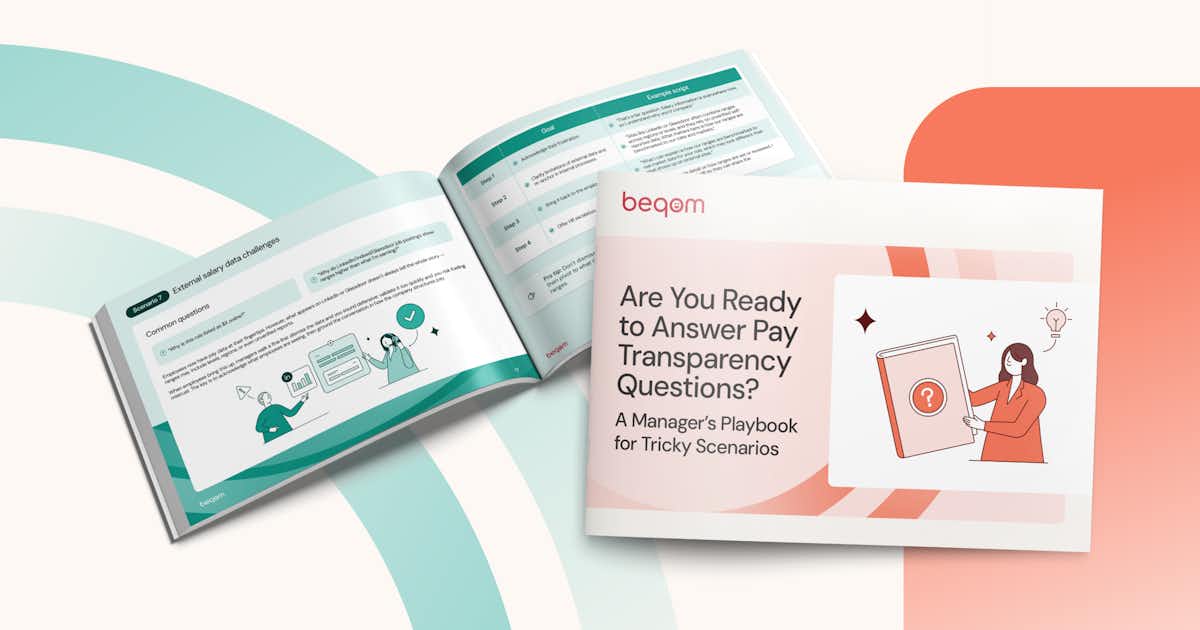
Laden Sie fundierte eGuides zu Vergütung, Entgeltgleichheit und Entgelttransparenz herunter – mit Experteneinblicken und praktischen Strategien, die HR-Teams dabei unterstützen, gerechte und wirksame Vergütungspraktiken zu etablieren.

Mehr zu lokalen Anforderungen und Reporting
Die Entgeltgleichheits-Tools von beqom machen die Einhaltung lokaler Anforderungen und Vorschriften einfacher als je zuvor. Sie ermöglichen es Unternehmen, Entgeltgleichheitsanalysen durchzuführen, um etwaige Entgeltunterschiede zu identifizieren.

Frankreich – Gleichstellungsindex
Frankreichs aktuelle Berichtspflicht zum Pay Gap wurde 2018 eingeführt und schrittweise ausgerollt. Der erforderliche Bericht (Index de l’égalité professionnelle femmes-hommes) wird im Englischen als „Gender Equality Index“ bezeichnet.