
Pay Equity
Scarica la checklist beqom di conformità alla Direttiva UE sulla trasparenza salariale
Il termine per la Direttiva UE sulla trasparenza retributiva è scaduto. Scopri a che punto si trova la tua azienda e cosa correggere subito.
Quanto è conforme la tua azienda alla Direttiva UE sulla trasparenza retributiva? Completa la nostra checklist per scoprirlo.
La Slovacchia ha recepito integralmente la Direttiva UE sulla trasparenza retributiva attraverso la propria Legge sulla parità retributiva (Legge n. 76/2026 Coll. sulla parità retributiva tra uomini e donne per lo stesso lavoro o per un lavoro di pari valore). Anche se i nuovi requisiti seguono in gran parte le normative degli altri Paesi membri, alcune scadenze sono particolarmente stringenti; tuttavia sono state previste anche disposizioni specifiche per alleggerire l'onere per le imprese più piccole.

Recepimento

7 giugno 2026 per la maggior parte delle disposizioni; le strutture retributive devono essere definite e documentate entro il 31 luglio 2026; i primi rapporti sul divario retributivo devono essere presentati entro il 7 giugno 2027 (primi rapporti annuali per i datori di lavoro con più di 250 dipendenti e rapporti triennali per quelli da 150 a 249 dipendenti) e il 7 giugno 2031 (rapporti triennali per i datori di lavoro da 100 a 149 dipendenti). Tutti i rapporti successivi devono essere presentati entro il 15 aprile del rispettivo anno.

Gli obblighi di rendicontazione seguono i requisiti della EUPTD (più di 100 dipendenti).

I datori di lavoro sono tenuti a fornire ai candidati informazioni sulla retribuzione o sulla fascia retributiva; queste informazioni devono essere fornite prima del colloquio o della stipula del contratto.

Definito sulla base di criteri di valutazione delle mansioni neutrali sotto il profilo del genere, che includono condizioni di lavoro, sforzo fisico, complessità e responsabilità.
I dipendenti hanno il diritto di ricevere per iscritto informazioni sul proprio livello retributivo e sui criteri utilizzati per determinarlo, e devono essere informati di tale diritto una volta all'anno. Il tempo di risposta imposto al datore di lavoro è di 2 mesi per la richiesta iniziale e di 30 giorni per le successive richieste di follow-up. Anche i rappresentanti dei dipendenti e il Centro nazionale slovacco per i diritti umani possono presentare le richieste.

Ai datori di lavoro è vietato effettuare una divulgazione interna generalizzata, qualora i dati retributivi medi dei colleghi di pari livello possano consentire a un dipendente di dedurre la retribuzione di un collega. In questi casi, i dati devono essere trasmessi tramite i rappresentanti dei lavoratori o l'Ispettorato del lavoro.

Se il rapporto evidenzia un divario non giustificato pari o superiore al 5% in qualsiasi categoria di lavoratori, il datore di lavoro deve colmare il divario entro 6 mesi; in caso contrario dovrà collaborare con i rappresentanti dei lavoratori per condurre una valutazione congiunta delle retribuzioni.
Interpretazione giuridica
Molti dei requisiti introdotti in Slovacchia sono in linea con lo standard di base della EUPTD. Tuttavia, il legislatore ha apportato alcune modifiche, che abbiamo elencato di seguito.
Per supportare i datori di lavoro nell'adeguarsi ai nuovi requisiti, il governo slovacco ha pubblicato un documento metodologico.
La Slovacchia ha esteso le tutele di parità retributiva oltre le categorie maschili e femminili, e i datori di lavoro sono già tenuti a disporre di strutture retributive conformi. Sviluppato sulla base di ricerche leader di settore, Pay Equity & Transparency di beqom è una piattaforma intuitiva che offre una visione dettagliata della struttura retributiva della tua azienda, per garantire che sia equa per tutti i dipendenti, conforme alla Direttiva e sostenibile.
Se vuoi ulteriori informazioni, la nostra eGuide sulla Direttiva UE sulla trasparenza retributiva offre un'analisi dettagliata e intuitiva di tutti i requisiti. La nostra Checklist di conformità alla Direttiva UE fornisce un piano in 43 passaggi che garantisce che nulla venga trascurato.
Attività per Stato membro
I Paesi membri dell'UE stanno lavorando per recepire la Direttiva UE sulla trasparenza retributiva nella legislazione nazionale. Abbiamo creato questa pagina per monitorare i progressi di ciascun Paese membro.

A partire da giugno 2026, le aziende di tutta l'UE dovranno conformarsi alle nuove norme in materia di trasparenza retributiva e parità salariale. La nostra eGuide aggiornata ti offre la chiarezza, le strategie e gli strumenti di cui hai bisogno per agire subito, prima che sia troppo tardi.
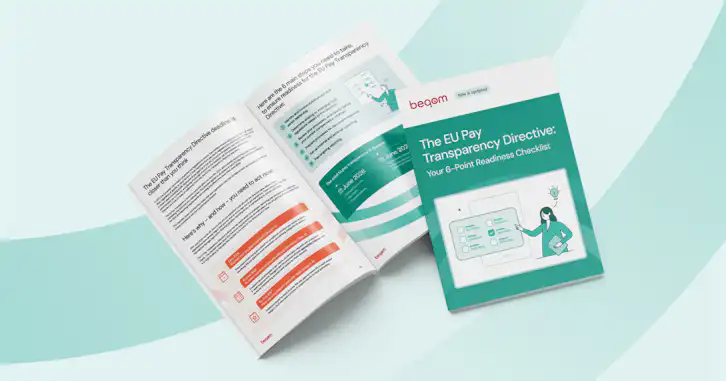
Il termine di recepimento di giugno 2026 è ormai trascorso. Abbiamo predisposto una Checklist di conformità in 43 passaggi per aiutarti a garantire il rispetto di ogni aspetto della normativa. È il momento di proteggere la tua azienda da sanzioni, contenziosi costosi e danni alla reputazione.
Ogni guida, articolo o webinar è stato realizzato per aiutarti ad affrontare con sicurezza le criticità più comuni e le sfide complesse di compliance. Impara dai thought leader di beqom, che sintetizzano argomenti complessi in consigli pratici e facili da implementare. Offriamo framework collaudati ed esempi reali, che ti consentiranno di rimanere aggiornato sulle ultime novità legislative e di garantire la compliance, favorendo il coinvolgimento dei dipendenti.
Il termine per la Direttiva UE sulla trasparenza retributiva è scaduto. Scopri a che punto si trova la tua azienda e cosa correggere subito.

Anche se la scadenza di giugno 2026 per la trasparenza retributiva UE si sta avvicinando rapidamente, diversi Paesi membri hanno confermato ritardi nel suo recepimento. Segui questa sessione con gli esperti di beqom ed Erste Group per scoprire perché attendere non è un'opzione e come preparare proattivamente la strategia di compliance della tua organizzazione oggi stesso.

L’attuale obbligo di comunicazione del pay gap in Francia è stato introdotto nel 2018 e implementato gradualmente. Il report richiesto (l’*Index de l’égalité professionnelle femmes-hommes*) è noto in inglese come “gender equality index”.

Scarica l'eGuide. Crea un ambiente di lavoro equo e prepara la tua azienda alla normativa UE sulla trasparenza e sull'equità retributiva.

Leggi il Report europeo 2026 sulle Retribuzioni e sulla Cultura Aziendale di beqom per scoprire come le principali organizzazioni europee stanno sfruttando le nuove direttive per modernizzare la compensation, integrare l'AI e gestire la complessità globale.

Guarda il webinar esclusivo di beqom e Allshares per approfondire la preparazione dei dati dell'ultimo miglio e i passaggi strategici per garantire la conformità alla Direttiva UE entro il 2026.